

Understand Solar Performance During Cloudy or Rainy Weather in Australian Climates
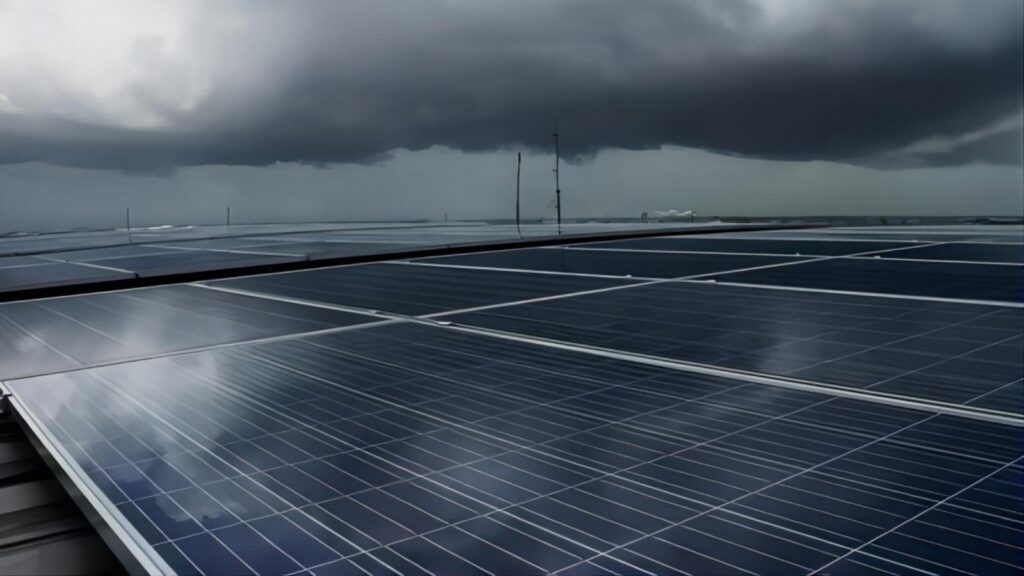
How solar panels work Australia-wide is a common question for homeowners, especially during cloudy or rainy days. Many Australians worry that solar panels stop producing power when the sun isn’t shining, but modern solar systems continue generating electricity even in low-light conditions.
With Australia experiencing a mix of sunny, cloudy, and rainy weather depending on location and season, understanding solar performance in all conditions is essential before investing in a solar system.
The good news is that solar panels in Australia continue to generate electricity even on cloudy days, making them a reliable energy solution year-round.
How Solar Panels Work: A Quick Overview
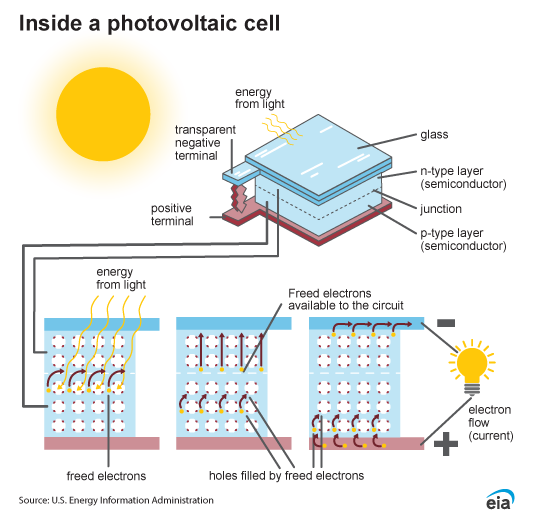
Solar panels generate electricity using photovoltaic (PV) cells, which convert sunlight into usable power. These cells respond to light, not heat.
This means solar panels can still work when sunlight is diffused by clouds — they simply produce less power than on clear, sunny days, not zero.
Do Solar Panels Work on Cloudy Days in Australia?
Yes, solar panels work on cloudy days in Australia, but with reduced output.
Typical performance levels:
- Light cloud cover: 60–80% output
- Heavy cloud cover: 20–40% output
- Rainy conditions: 10–30% output
Even in cloudier regions such as Victoria, Tasmania, and coastal NSW, solar systems still deliver strong annual energy production.
Why Solar Panels Still Produce Power When It’s Cloudy
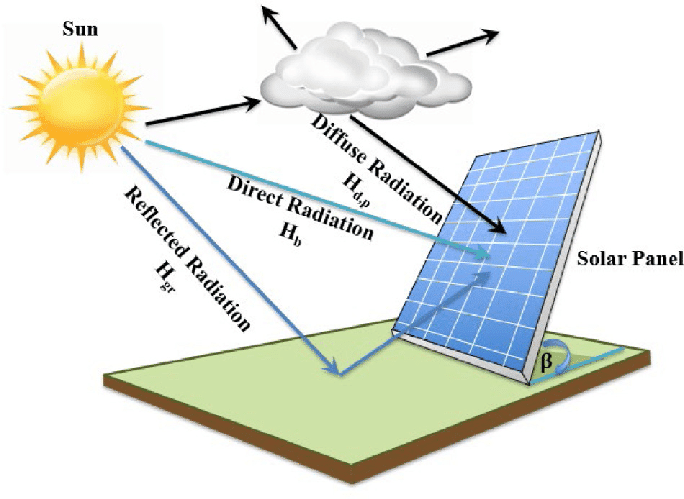
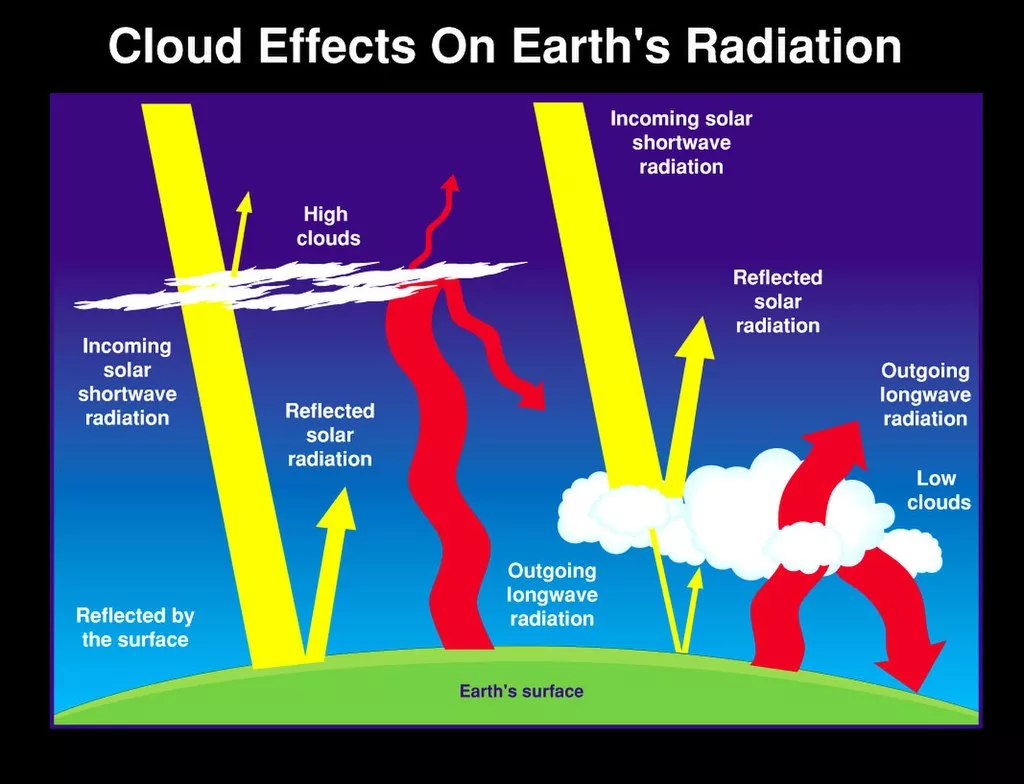
Clouds scatter sunlight rather than block it completely. This diffused sunlight still reaches solar panels, allowing electricity generation to continue.
Performance is supported by:
- High-efficiency solar panels
- Modern inverter technology
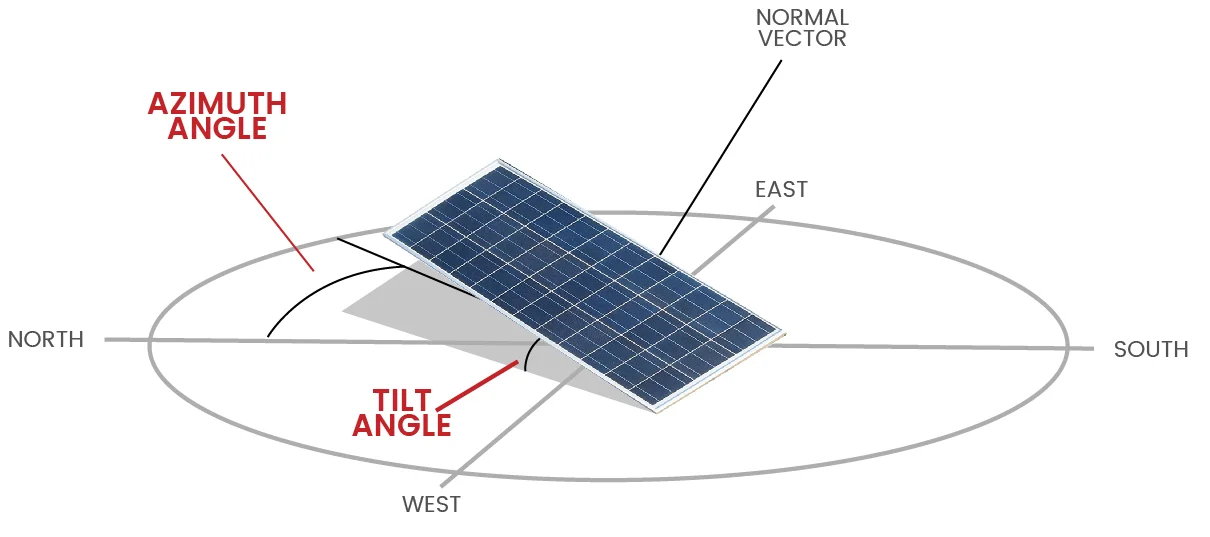
- Correct panel tilt and orientation
- Minimal shading
What Happens to Solar Panels During Rain?
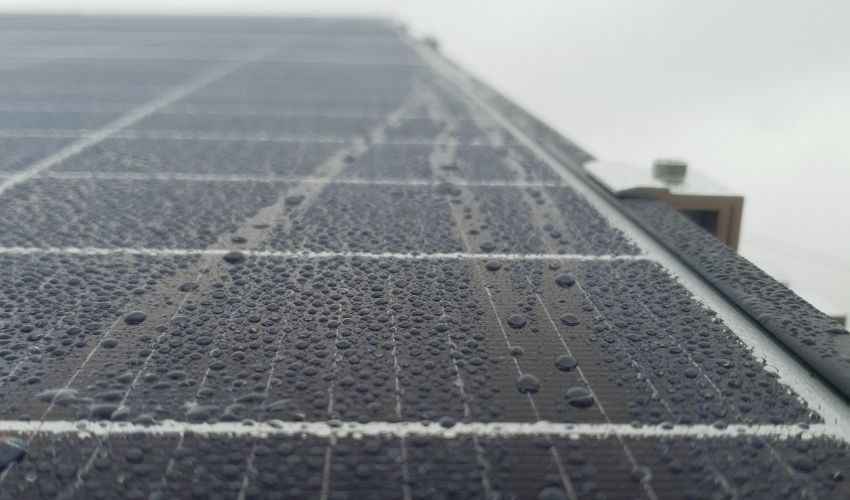
Rain does not damage solar panels. In fact, it offers benefits:
- Panels continue generating power during daylight
- Rain naturally cleans dust and debris
- Cooler temperatures can slightly improve efficiency
Often, solar output improves after rainfall once panels are clean.
How Solar Batteries Help on Cloudy Days
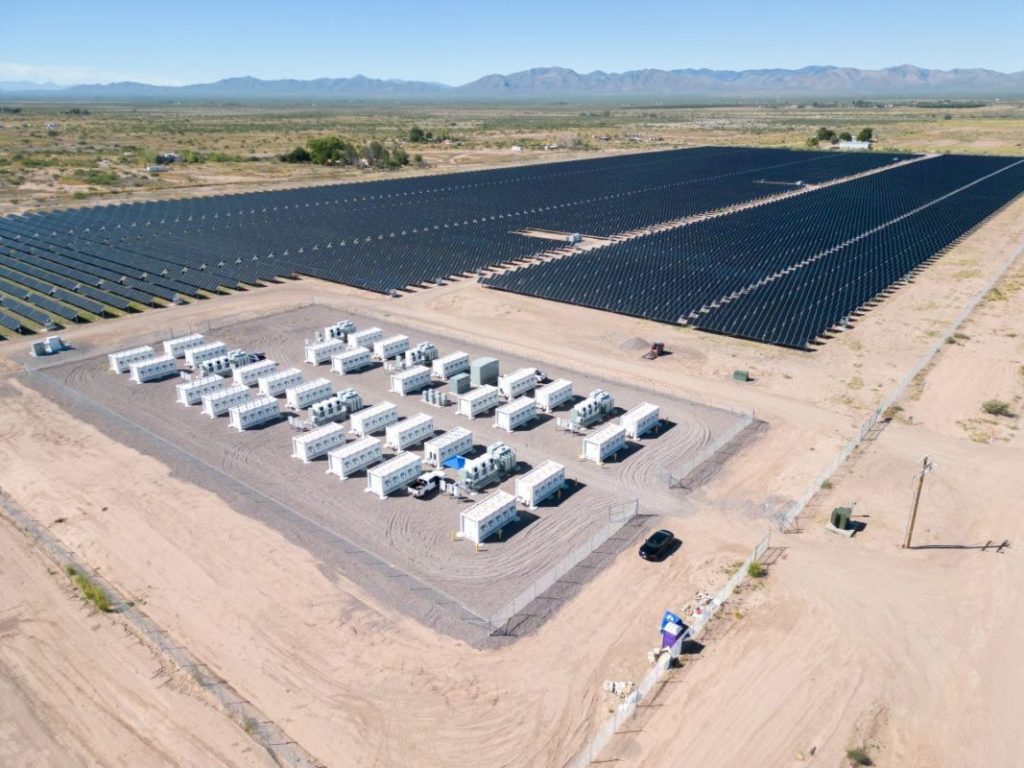
Adding a home battery system helps households manage cloudy or rainy periods by:
- Storing excess solar power from sunny days
- Providing energy during low-production periods
- Reducing grid reliance
- Offering backup power during outages
Solar + battery systems are ideal for Australia’s variable climate.
Does Solar Still Save Money in Cloudy Regions of Australia?
Yes. Even in cloudier regions, solar remains highly cost-effective due to:
- High electricity prices in Australia
- Government rebates and STCs
- Net metering benefits
- Systems designed for yearly output, not daily peaks
How to Maximise Solar Performance on Cloudy Days
To get the best results:
- Choose high-efficiency panels
- Install a quality inverter
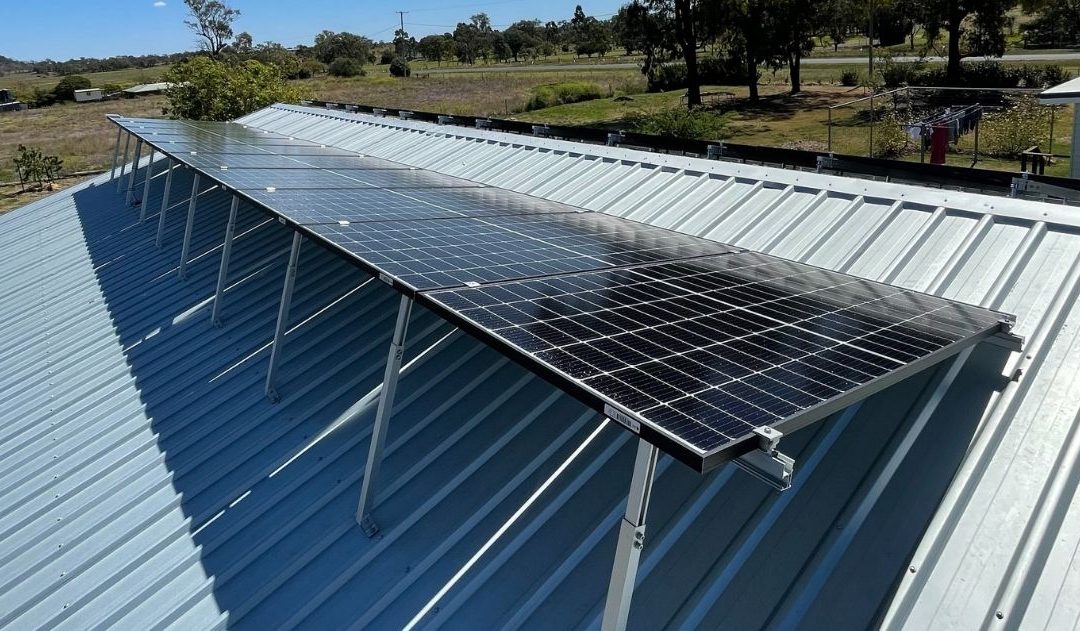
- Optimise roof orientation (north-facing is best)
- Add battery storage
- Use electricity during daylight hours
Common Myths About Solar and Cloudy Weather

Myth: Solar doesn’t work without sunshine
Fact: Panels work with diffused light
Myth: Cloudy regions aren’t suitable
Fact: Many countries with less sun than Australia rely on solar
Myth: Rain damages panels
Fact: Panels are designed for harsh weather
Is Solar Worth It in Australia’s Climate?

Absolutely. Australia is one of the best countries globally for solar energy. Solar panels:
- Work in cloudy and rainy weather
- Reduce electricity bills
- Cut carbon emissions
- Increase property value
Final Thoughts: Solar Works Beyond Sunshine
Understanding how solar panels work on cloudy days in Australia helps homeowners make confident decisions. While output drops during overcast weather, modern systems deliver strong yearly performance.
With quality components and optional battery storage, solar remains one of the smartest energy investments for Australian households.
Ready to Go Solar?
SunVolt Solar can help you:
✅ Design climate-optimised systems
✅ Choose efficient panels and inverters
✅ Add battery storage
✅ Maximise rebates and savings
👉 Request a free solar assessment today

Add comment